Reducing Static Electricity in Apparel Manufacturing with Dry Fog Humidification
Challenges Faced by the Customer
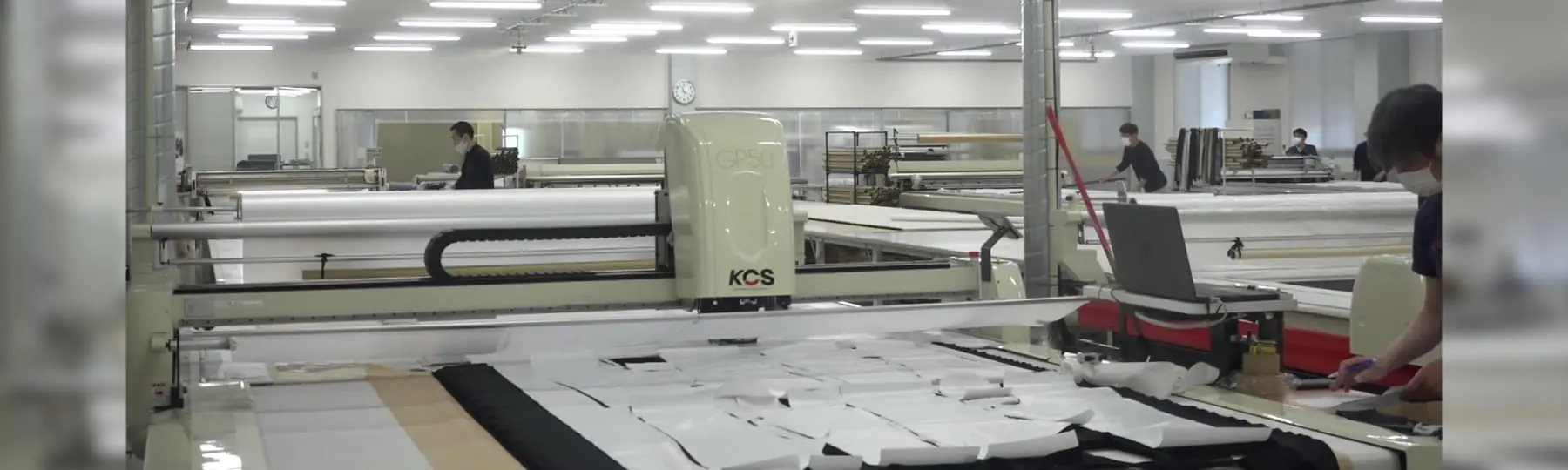
At an apparel manufacturing plant handling fabric cutting and related processes, increased outside air intake following a factory relocation made static electricity problems worse during winter.
One major problem occurred during fabric sponging (preshrinking), a process that uses heat, steam, and cooling to stabilize fabric dimensions. Severe static electricity developed as the treated fabric was collected in plastic containers. Workers received painful static shocks when handling the fabric, and even wearing work gloves offered little protection.
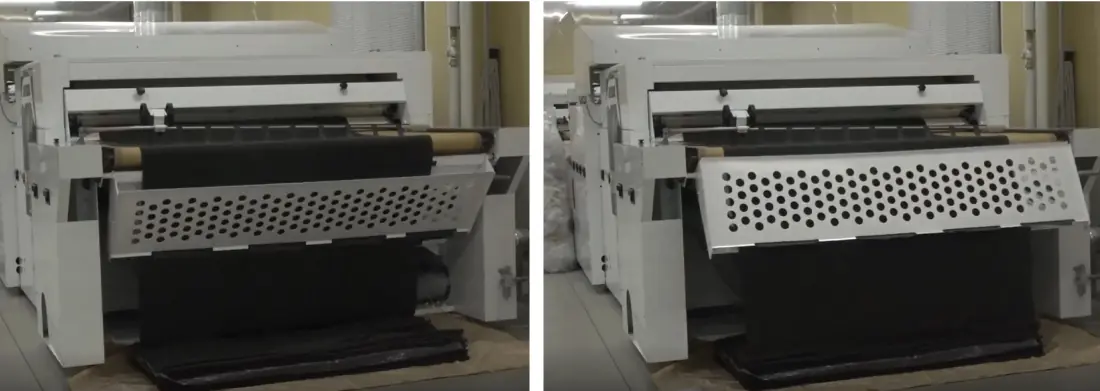
Static electricity also caused fabric to stick to the spreading machine. During winter, sparks sometimes occurred when metal fittings came into contact. These problems placed a heavy burden on workers and reduced work efficiency.
While humidification was needed to control static electricity, wetting or staining fabrics and finished products was unacceptable. The customer therefore consulted IKEUCHI for a solution that could address both concerns.
Solutions Proposed by IKEUCHI
Learn more about how humidity control can help solve common challenges in textile manufacturing:
Technical Papers on Dry Fog Humidification for Textile Manufacturing →
Related articles
-

Uniformly Moistening Deep inside the Yarn Cone
#Cost Reduction#Productivity Improvement#Quality Improvement#Textile
-

Dry Fog Air Conditioning to Boost Output by 30% and Improve Quality in Textile Factories
#Boost yield#Equipment Downtime Prevention#Productivity Improvement#Quality Improvement#Textile
-
Humidity Control Solved Floor Wetting & Weaving Issues in Towel Production
#Insufficient Humidity#Productivity Improvement#Quality Improvement#Textile
CONTACT US
For product inquiries or to request brochures, please click here.
